Electricity Generation Company (Egenco) has said it is generating 353.87 megawatts (MW) of power which is feeding into the Electricity Supply Corporation of Malawi (Escom) national grid.
Egenco spokesperson Moses Gwaza said in a written response on Friday that the company experienced technical faults at Unit Two of Kapichira Hydro Power Station and Unit Six at Tedzani Hydro Power Station on Wednesday, but both were rectified within hours and are back in operation.
However, he said Tedzani Unit Five remains offline due to burnt generator starter windings and that a contract has been finalised with the Original Equipment Manufacturer (OEM) to undertake repairs.
Gwaza said the OEM is currently mobilising materials which are expected to be shipped to Malawi by the end of this month.

“Their engineers are scheduled to arrive in the country in November. If all things go according to plan, we anticipate that Tedzani Unit five will be back in service by the end of December, 2025,” he said.
Since July, Escom has been implementing a load shedding schedule of 4.5 to five hours per day, but on Wednesday last week some customers experienced outages of up to eight hours due to the faults at Kapichira and Tedzani that were later rectified.
In an earlier interview, Escom chief operating officer Maxwell Mulimakwenda indicated that the company had a 111 megawatts deficit on Wednesday when it received 264MW, leading to extended power rationing.
He also indicated that Escom has not been able to conduct as much maintenance during the dry season because the supplier of poles could not import creosote used for treating the poles due to lack of foreign exchange.
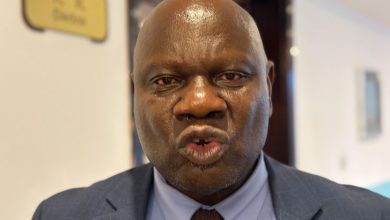
Reacting to the power supply situation, Consumers Association of Malawi executive director John Kapito said it is worrying that power utilities’ services continue to be unsatisfactory despite the company increasing its tariffs.
Malawi’s installed generation capacity stands at 554.24MW, with 401.84MW of hydro, 101MW of solar and 51MW from diesel-powered generators.